
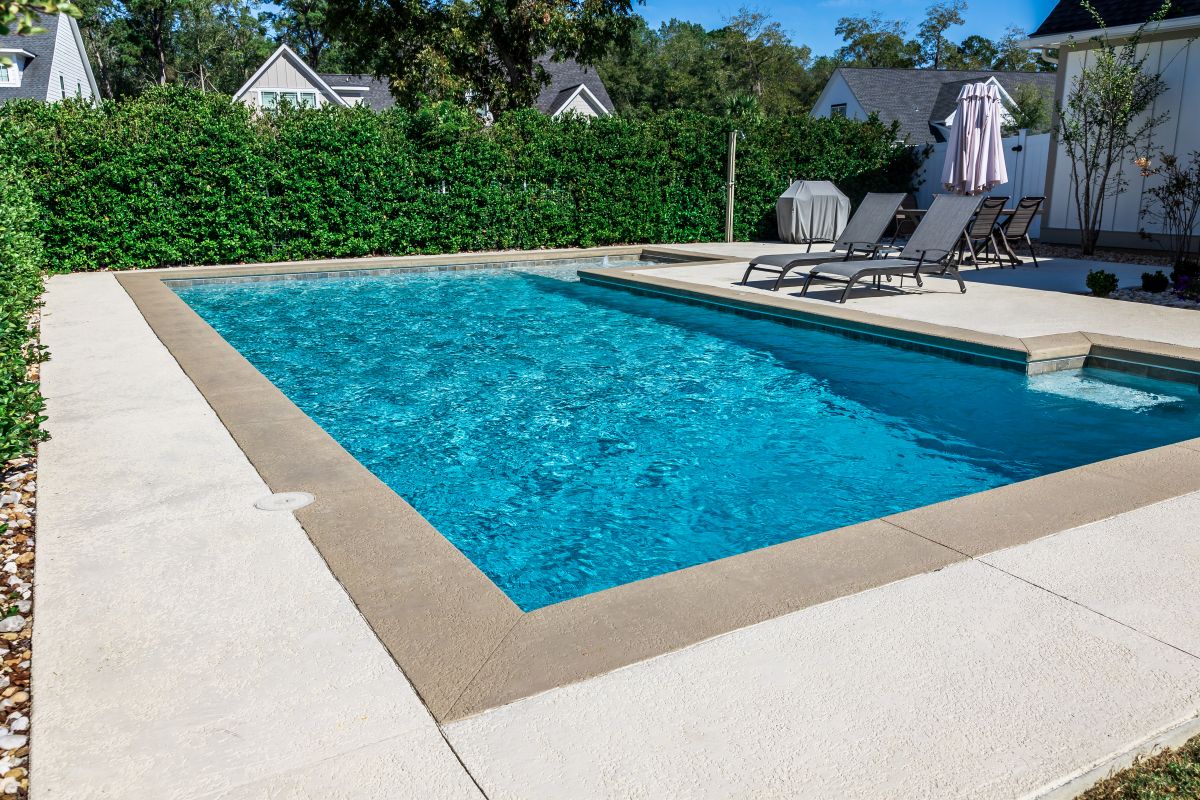
Fiberglass vs Concrete Pool: Cost, Durability & Which to Choose
Choosing between a fiberglass vs concrete pool is one of the biggest decisions Virginia homeowners face when planning a backyard they will enjoy for decades. Both materials can produce a beautiful pool, but they differ sharply in upfront cost, long-term maintenance, durability, and how quickly you can start swimming. At The Virginia Pool Company, we install fiberglass pools exclusively because we believe they deliver the best long-term value for the families we serve, and this guide gives you the honest comparison you need. Below, we break down the real numbers and trade-offs so you can decide what fits your home and budget.
Here is what you will learn in this guide:
- Cost comparison: How upfront and lifetime costs stack up between fiberglass and concrete pools.
- Durability and maintenance: Which material lasts longer, resists algae better, and demands less weekly upkeep.
- How to choose: The practical questions that point you toward the right pool for your property and lifestyle.
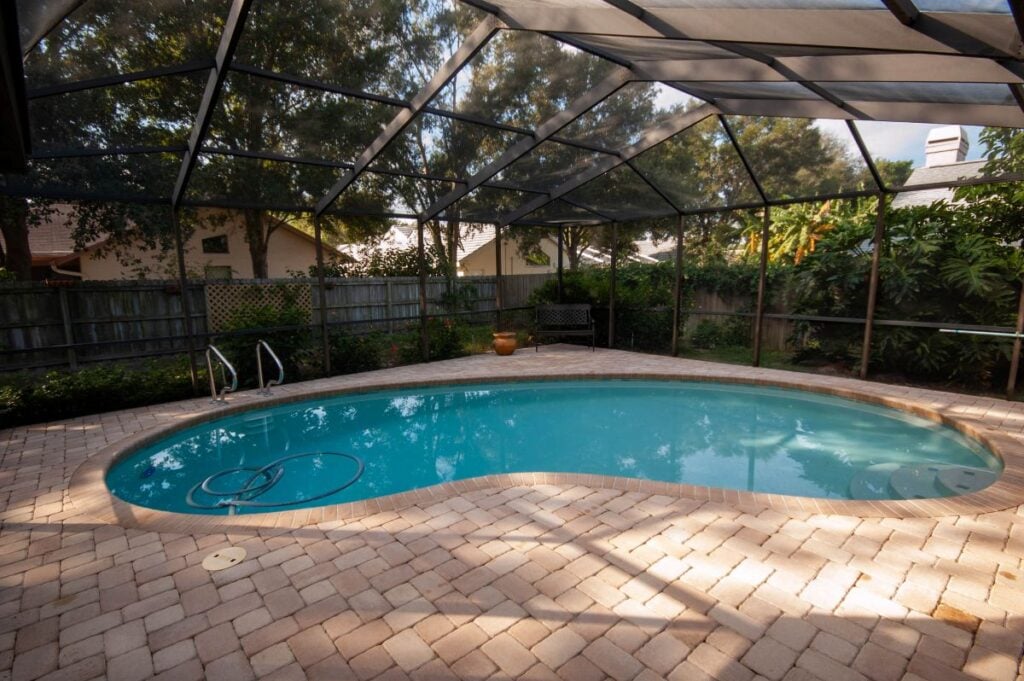
What Is the Difference Between Fiberglass and Concrete Pools?
The core difference is how each pool is built, which affects everything from installation speed to long-term maintenance. A fiberglass pool is a factory-manufactured shell delivered to your home as a single unit, while a concrete pool is constructed entirely on site over many weeks. These two construction methods explain nearly every practical difference homeowners care about.
How Is a Fiberglass Pool Built?
A fiberglass pool is manufactured in a controlled factory environment as a complete shell, then transported to your property and lowered into a prepared excavation by crane. Because the shell is built using alternating layers of woven fiberglass and resin sealed with a smooth gelcoat finish, quality stays consistent and installation is fast. This off-site manufacturing is the reason fiberglass pools can be swim-ready in a matter of weeks rather than months. The trade-off is that shapes and sizes are limited to pre-engineered molds, generally up to about 16 feet wide for transport.
- Factory built: The shell is produced under controlled conditions for consistent quality and thickness.
- Crane installed: The finished unit is set into the excavation in a single piece.
- Smooth gelcoat: The non-porous surface resists algae and feels comfortable underfoot.
How Is a Concrete Pool Built?
A concrete pool, often called gunite or shotcrete, is built on site by excavating the shape, installing steel rebar, spraying concrete, and finishing with plaster. This multi-stage process happens entirely at your home and depends on curing time, weather, and skilled labor at each phase. The major advantage is unlimited customization, since the pool can be formed into virtually any shape, size, or depth. The trade-off is a longer build of several months and a porous surface that requires more ongoing care.
- Built on site: Every stage from excavation to plaster happens at your property.
- Fully customizable: Concrete can take almost any shape, depth, or design detail.
- Porous surface: The finish invites algae and needs more brushing and chemicals.
How Much Does a Fiberglass vs Concrete Pool Cost?
Cost is where many homeowners start, and the honest answer is that upfront prices can be similar while lifetime costs diverge significantly. Concrete pools often begin at a higher price point and grow with customization, while fiberglass pools deliver predictable pricing and far lower ongoing costs. The sections below separate the upfront investment from the true cost of ownership.
What Is the Upfront Cost Comparison?
Upfront, a fiberglass pool and a concrete pool can land in a comparable range, though concrete tends to start higher and climbs faster with custom features. Industry comparisons frequently show fiberglass pools costing $10,000 to $25,000 less to install than a comparable concrete pool, largely because the shell is manufactured off site rather than built by hand. In Virginia, a fully finished fiberglass pool with patio and surrounding work generally ranges from $85,000 to $150,000 or more depending on size and features. Concrete pools with extensive custom shapes, water features, and finishes can climb well beyond that.
- Fiberglass: Lower and more predictable upfront cost thanks to factory production.
- Concrete: Higher starting point that increases sharply with custom design elements.
- Finished scope: Decking, fencing, and landscaping affect both pool types similarly.
Why Do Lifetime Costs Favor Fiberglass?
Lifetime cost is where fiberglass pulls clearly ahead, because concrete requires expensive periodic resurfacing and far more chemicals over the years. Concrete plaster degrades over time and needs replastering roughly every eight to fifteen years, often costing $8,000 to $15,000, plus acid washing every few years. The porous concrete surface also consumes substantially more chlorine and balancing chemicals than the smooth, non-porous gelcoat of a fiberglass pool. Over a decade, those differences add up to thousands of dollars in savings for fiberglass owners.
- No resurfacing: Fiberglass gelcoat avoids the recurring replastering bills concrete demands.
- Lower chemical use: The non-porous surface needs far less chlorine and acid to stay balanced.
- Fewer repairs: A monolithic shell reduces the risk of cracks and leaks over time.
4 Key Factors When Comparing Fiberglass vs Concrete Pools
When you weigh these two pool types, four factors consistently determine which one is the better fit for a Virginia family. Reviewing each helps you match the pool to your budget, timeline, and how you actually plan to use your backyard.
1. Which Pool Lasts Longer and Is More Durable?
Both materials are durable, but they age very differently, and freeze-thaw cycles in Virginia winters make this a real consideration. A well-maintained fiberglass pool can last the lifetime of the home, with some shells installed in the 1960s still in service today, while concrete pools also last for decades but require resurfacing roughly every ten years to stay sound. Concrete is more susceptible to surface cracks and leaks, particularly in climates with seasonal freezing. The flexible, monolithic fiberglass shell tends to handle ground movement and temperature swings more gracefully.
- Fiberglass lifespan: Can last the life of the home with proper care and no resurfacing.
- Concrete lifespan: Lasts decades but needs resurfacing about every ten years.
- Climate resistance: Fiberglass flexes with freeze-thaw cycles that can crack concrete.
2. How Do Maintenance Demands Compare?
Maintenance is one of the clearest dividing lines, since the smooth fiberglass surface dramatically reduces weekly effort. Fiberglass pools typically need around 30 minutes of weekly care, while concrete pools can require two to four hours of brushing and chemical management because algae clings to the porous surface. Fiberglass owners also spend less on chemicals, with the gelcoat requiring roughly 30 percent less chlorine and rarely needing acid to balance pH. For busy Virginia households, that difference in time and cost is often the deciding factor.
- Weekly time: Fiberglass needs about 30 minutes versus two to four hours for concrete.
- Chemical savings: The gelcoat uses meaningfully less chlorine and balancing chemicals.
- Algae resistance: Debris and algae do not readily stick to the smooth surface.
3. How Long Does Each Pool Take to Install?
Installation time is a major practical difference, and in Virginia it can decide whether you swim this summer or wait until next year. Fiberglass pools are typically installed within two to four weeks once excavation begins, because the shell arrives ready to set in place. Concrete pools require three to six months on site, since each stage of excavation, rebar, gunite, and plaster must be completed and cured in sequence. A faster install also means less disruption to your yard and daily life.
- Fiberglass timeline: Roughly two to four weeks from excavation to water.
- Concrete timeline: Three to six months of on-site, multi-stage construction.
- Seasonal impact: A shorter build helps you enjoy more of the swim season.
4. Which Offers Better Customization and Comfort?
Customization is the area where concrete holds a genuine edge, while fiberglass wins on comfort and built-in value. Concrete can be formed into nearly any shape, depth, or size, making it the choice for truly bespoke, resort-style designs. Fiberglass is limited to pre-engineered models, but modern shells come in a wide variety of shapes with steps, benches, and tanning ledges molded directly in. The smooth gelcoat is also gentler on feet and swimwear than the rougher texture of a concrete finish.
- Concrete customization: Unlimited shapes and depths for fully custom designs.
- Fiberglass features: Steps, benches, and ledges built into the shell at no extra cost.
- Surface comfort: The gelcoat feels smooth, while concrete can be rough underfoot.
What Do the Long-Term Numbers Really Show?
When you look past installation day, the long-term picture is what most strongly separates these two pool types for Virginia families. The smooth gelcoat surface, lack of resurfacing, and lower chemical demand combine to make fiberglass the lower-cost option to own over time.
Industry data illustrates the gap clearly. The ten-year maintenance cost for a concrete (gunite) pool typically runs between $15,000 and $27,000, compared with roughly $4,000 to maintain a fiberglass pool over the same decade. For families weighing two similar upfront quotes, that long-term difference often becomes the deciding factor in favor of fiberglass.
Which Pool Type Is Right for Your Family?
The right choice comes down to your priorities around budget, timeline, maintenance, and design. Fiberglass is the better fit for homeowners who want lower lifetime costs, faster installation, easier upkeep, and a comfortable surface, and who are happy choosing from a range of pre-designed shapes. Concrete makes sense for those committed to a fully custom shape or an unusually large pool and who accept the higher maintenance and longer build. For most Virginia families, the practical advantages of fiberglass align with how they actually live and use their backyard.
- Choose fiberglass if: You value low maintenance, predictable cost, and a quick install.
- Choose concrete if: You need a fully custom shape or a pool wider than about 16 feet.
- Consider your climate: Virginia freeze-thaw cycles favor the durability of fiberglass.
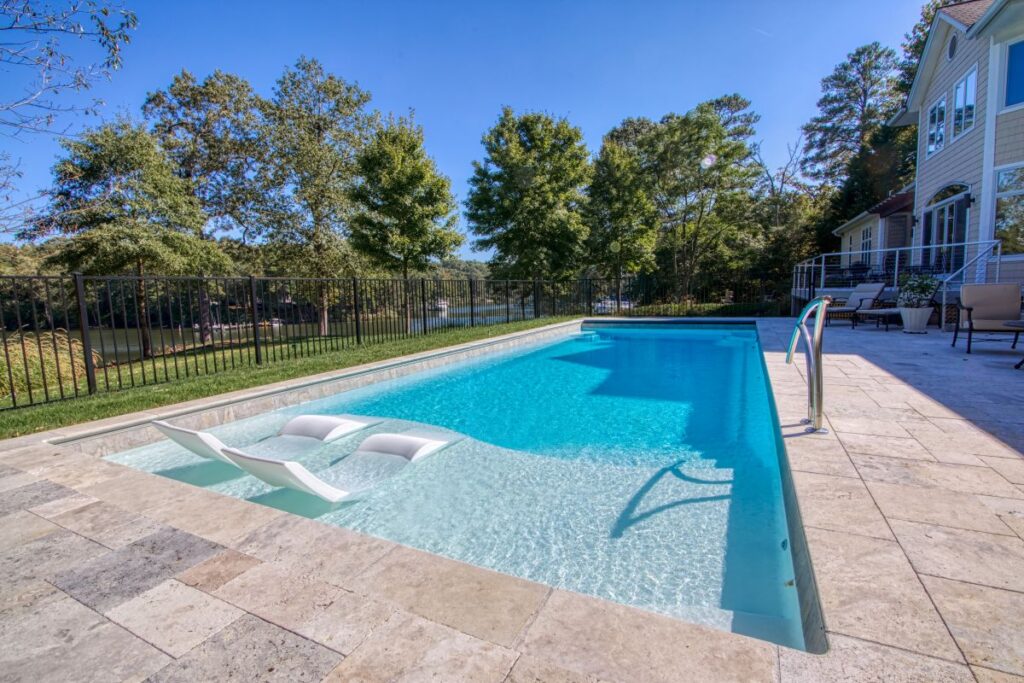
Frequently Asked Questions About Fiberglass vs Concrete Pools
Below are direct answers to the questions Virginia homeowners ask most when comparing these two pool types. They cover cost, lifespan, maintenance, and value so you can plan with confidence.
Is a Fiberglass Pool Cheaper Than Concrete?
Fiberglass pools often cost $10,000 to $25,000 less to install than a comparable concrete pool, and they cost far less to maintain over time. Concrete can start higher and climbs with customization. Over a decade, fiberglass typically delivers the lower total cost of ownership.
How Long Does a Fiberglass Pool Last?
A well-maintained fiberglass pool can last the lifetime of the home, with some installed in the 1960s still in use today. Unlike concrete, it never needs resurfacing. Routine water chemistry and care are all that is required to protect the gelcoat.
Do Fiberglass Pools Require Less Maintenance Than Concrete?
Yes. Fiberglass pools generally need about 30 minutes of weekly care versus two to four hours for concrete. The smooth, non-porous gelcoat resists algae and uses roughly 30 percent less chlorine, saving both time and money each year.
How Long Does It Take to Install Each Type?
Fiberglass pools are usually installed within two to four weeks once excavation begins. Concrete pools take three to six months because each stage must be built and cured on site. In Virginia, this difference often determines whether you swim this season.
Can a Fiberglass Pool Handle Virginia Winters?
Yes. The flexible, monolithic fiberglass shell handles freeze-thaw cycles well and resists the cracking that can affect concrete in cold climates. Proper winterizing each season protects the pool and equipment. This durability makes fiberglass a practical choice across Virginia.
Are Fiberglass Pools Compatible With Saltwater?
Yes. The non-porous gelcoat surface works beautifully with saltwater systems without the corrosion concerns concrete can face. Many homeowners prefer saltwater for its gentler feel on skin and hair. Fiberglass is naturally suited to this option.
Why Choose The Virginia Pool Company for Your Fiberglass Pool
When you weigh a fiberglass vs concrete pool for your home, The Virginia Pool Company is the partner Virginia families trust to get it right. We install fiberglass pools exclusively, which means our entire process, from site engineering to final walkthrough, is refined around delivering durable, low-maintenance pools built to last. As Virginia’s most experienced fiberglass pool installer, a nationally recognized Top 50 builder, and a proud River Pools & Spas franchise, we have helped more than 2,000 families create backyards they enjoy for decades, all backed by a 5-year workmanship warranty and manufacturer warranties up to 30 years on the structure. You can even visit our Pool Park in Warsaw to compare real fiberglass models and finishes in natural sunlight before you decide. If you are ready to explore whether a fiberglass pool is the right choice for your family, reach out today for a no-pressure consultation and honest answers built around your property and budget.

